Want To Know More About Mindsession?

FAQ
Frequently Asked Questions
What is MindSession?
MindSession is a psychology clinic and private practice specialised in intercultural psychology offering both clinical and consulting services. Mindsession aims to promote the practice of intercultural psychology and help patients overcome life’s biggest obstacles. The practice is based in Montreal, Canada and it offers in-person and online therapy. The therapists are licensed or supervised and qualified clinicians. They can safely help you recover motivation, perspective, and joy.
What’s the difference between Counselling, Art therapy, and Psychotherapy?
What is your privacy policy ?
Blog, Articles, news
Our Posts
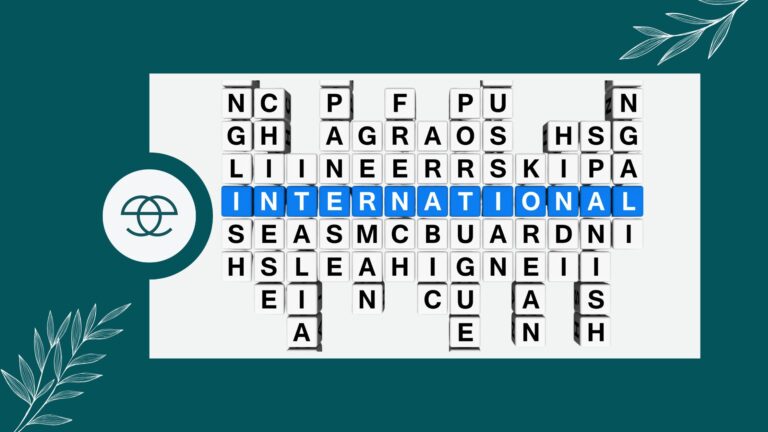
Understanding the Multilingual Therapy Experience
In a world of multicultural and multilingual therapy, clinicians and clients often find themselves navigating linguistic…
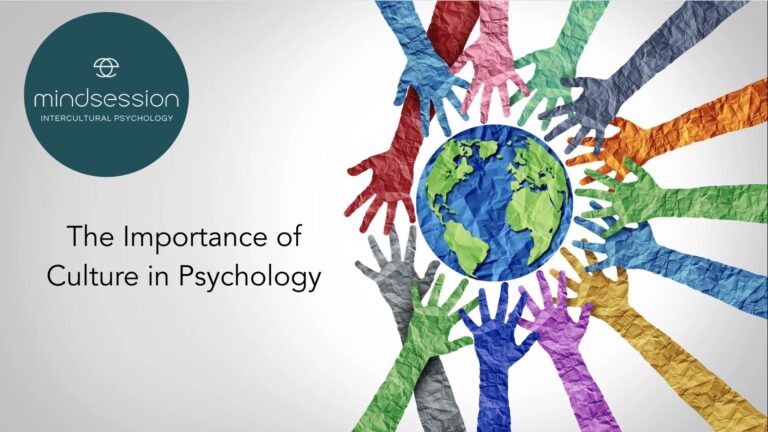
What is the importance of interculturality in psychology?
Psychology, like many other fields, has a rich history dating back to the 19th century, a…

Building Connections in Psychology: The Power of The Team at Mindsession
Building Connections in Psychology: The Power of The Team at Mindsession On October 11th 2025, our…